

Mastering the Art of Controlled Capsize Drills in Dragon Boat Training

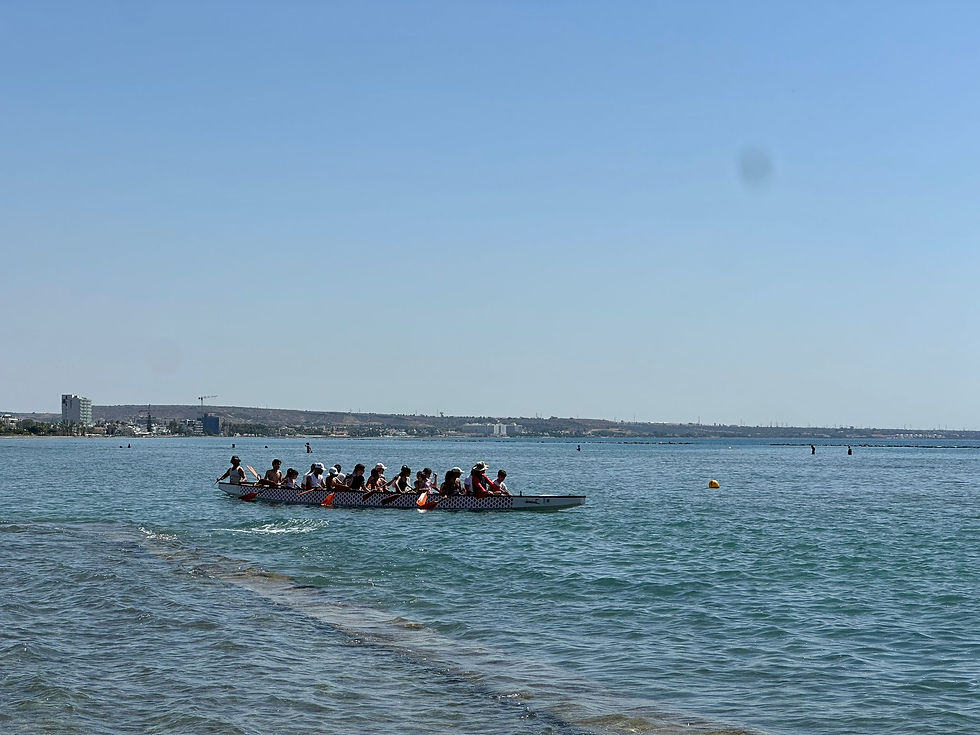
Tomorrow’s sea training will finish with something special: a controlled capsize drill.
This exercise is not just about safety—it’s about building confidence, trust, and unity as a crew. In the unlikely event of a real capsize, you’ll know exactly how to respond calmly and effectively. The IDBF requires every team to practice this drill, so it is part of our international safety standards.
Important Notes
The capsize will happen at the end of practice.
If anyone does not wish to take part, you may request to be taken ashore before the drill.
Please bring a full change of clothing, shoes, towel, and anything else you may need after getting wet.
Understanding the Importance of Controlled Capsize Drills
Capsizing is a reality that every dragon boat team must prepare for. Statistics show that over 30% of paddling accidents involve capsizing, usually due to rough waters, sudden weather changes, or miscalculated maneuvers. Knowing how to respond can be the difference between a safe recovery and a dangerous situation.
Controlled capsize drills allow paddlers to experience capsizing in a safe environment, teaching them how to react calmly and effectively. This practice enhances individual skills while fostering teamwork, as paddlers support one another during a crisis. For instance, teams that regularly practice these drills report a 50% increase in confidence during real races.

Step-by-Step Guide to Performing a Controlled Capsize Drill
Full safety brief
Explain the drill in advance: what will happen.
Remind paddlers to wear their Personal Flotation Devices if required, have buddy pairs, know signals.
Capsize
Have the boat capsized intentionally under controlled conditions.
Everyone should stay calm. Stay with the boat rather than swim away. Hold onto gunwales / hull if possible.
Buddy check / Self-check
Each paddler checks themselves for injury or shock.
Use buddy system: check on your buddy, share condition status.
Roll-call / Account for everyone
Boat Captain (Helm) does roll-call by pre-assigned numbers.
Buddies help locate missing persons or verify status.
Remain with the boat
Unless instructed otherwise, paddlers stay with the capsized boat. It floats, is visible, and provides support.
Righting the boat / Re-entry / Rescue
If conditions allow (shallow water etc.), roll the boat upright. Under direction of Boat Captain.
Use bailers if the boat is filling with water. Bail it out as re-boarding happens.
If water is deep or conditions unsafe, swim to shore or rescue vessel only if ordered.
After the drill
Check for injuries. Provide first aid if needed.
Debrief: what went well, what could be improved. Ensure all paddlers understand.
Final Thoughts
Mastering controlled capsize drills is an essential part of dragon boat training. By preparing your team, practicing regularly, and fostering a supportive environment, you can ensure that every paddler is ready to handle unexpected situations with confidence.
Remember, the goal is not just to survive a capsize but to thrive as a team. Embrace the challenge, and watch your team grow stronger both on and off the water. Happy paddling!


Comments